
- Home
- Pest Library
Pest Library
Pest Library
A Lexington and Midlands homeowner’s guide to the pests we see most often — what they look like, why they show up, and how Lamp’s approaches each one.
5.0 on Google · 360+ Reviews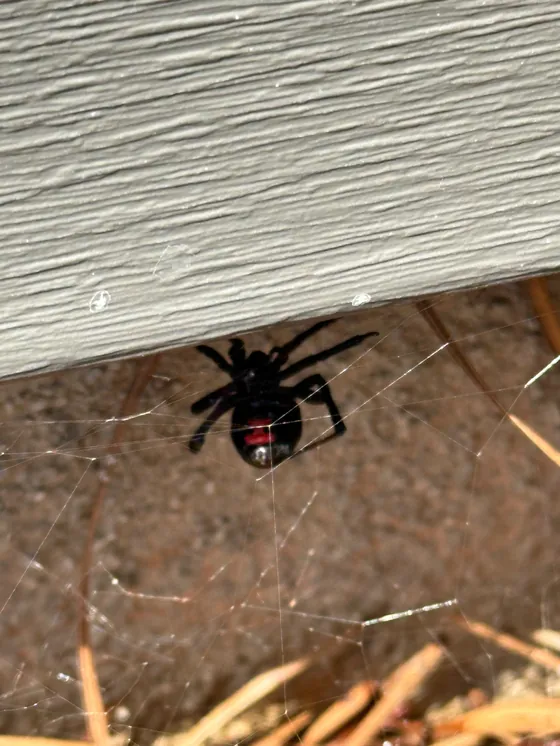
Overview
This library is here to help you put a name to a problem and understand what treating it actually looks like — it’s a helpful starting point, but identifying a pest problem and recommending treatment may require a closer look. If you already know what you’re dealing with and want it handled, the fastest way is still a phone call.
13 guides
Find Your Pest
Ants
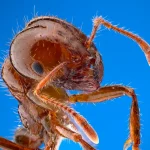
Shown: red imported fire antLook for: Fire ants build loose-soil mounds in the yard, along driveway cracks or near the foundation, and sting if the mound is disturbed.
Odorous house ants, fire ants, and other ants are some of the most frequent calls we get around Lexington. Quarterly Pest Control covers many common household ants. Fire ant treatments are a separate service — they’re not included in Quarterly Pest Control and don’t include free re-service.
See the Ants guide →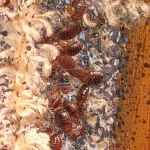
Bed Bugs
Shown: bed bugs on a mattress seamLook for: Small, flat and reddish-brown, about the size of an apple seed. They hide in mattress seams, bed frames and furniture seams.
Bed bugs hitchhike in on luggage, furniture, and clothing — they don’t care how clean a home is. Because they need a focused approach, bed bug work is its own dedicated multi-visit program rather than a Quarterly add-on.
See the Bed Bugs guide →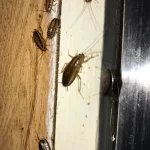
German Cockroaches
Shown: German cockroachesLook for: Small (about ½ to ⅝ inch), light tan to brown, with two dark stripes just behind the head. Found indoors.
German cockroaches are a different problem from the larger outdoor roaches Quarterly Pest Control covers. They spread indoors quickly and need their own inspection-and-bait program to get under control.
See the German Cockroaches guide →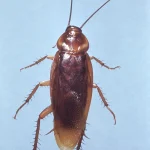
Palmetto Bugs
Shown: American cockroachLook for: Large roaches, usually the reddish-brown American cockroach, up to about 2 inches long.
A large roach in the garage or driveway is usually an American or smokybrown roach wandering in from outside — not the same problem as a German cockroach, and covered under Quarterly rather than needing its own specialty visit.
See the Palmetto Bugs guide →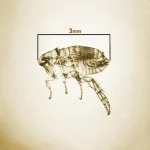
Fleas & Ticks
Shown: cat fleaLook for: Pets scratching, small dark specks in their coat, or bites on your ankles after time in the yard.
Flea problems usually show up after pets bring them inside, and are handled with a one-time inside-and-yard treatment. Ticks are different — treatment starts with an inspection, since the right approach depends on what we find on your property.
See the Fleas & Ticks guide →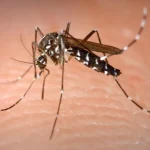
Mosquitoes
Shown: Asian tiger mosquitoLook for: Worst in the warmer months, and almost always traced back to standing water around the yard.
Mosquito activity almost always traces back to standing water and shaded spots where they rest during the day. Our seasonal treatment targets those resting areas directly, alongside reducing standing water around the yard.
See the Mosquitoes guide →Mice & Rats (Rodents)
Look for: Small, dark, rice-grain-sized droppings near food, in cabinets or along walls; gnaw marks and scratching in the walls.
Droppings, gnaw marks, and scratching in the walls are the usual first signs. Our rodent program is trapping-based rather than routine indoor poison, with a defined visit schedule and follow-up window.
See the Mice & Rats guide →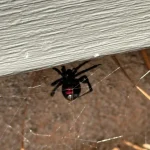
Spiders
Shown: southern black widowLook for: Most are nuisance spiders. The one to watch: the southern black widow, glossy black with a red hourglass.
Most spiders found around Lexington homes are more nuisance than danger, but knowing which ones are showing up in your home or yard is a useful first step. Covered under Quarterly Pest Control.
See the Spiders guide →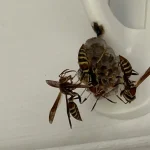
Stinging Insects
Shown: paper wasps on their nestLook for: Paper wasps build open, umbrella-shaped nests under eaves and railings; hornets build large, enclosed paper nests.
Wasps, hornets, and yellow jackets each build and defend nests differently. Because location and species change the right approach, stinging insect work is handled as its own standalone service.
See the Stinging Insects guide →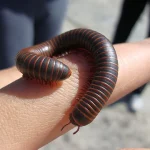
Everyday Quarterly Pests
Shown: American giant millipedeEarwigs, crickets, millipedes, centipedes, silverfish, sow bugs, and pill bugs are common nuisance pests around Midlands homes — all covered under Quarterly Pest Control rather than needing their own specialty visit.
See the Occasional Invaders guide →Clover Mites (Tiny Red Bugs)
Look for: Tiny red mites, about the size of a pinhead, gathering in large numbers on windows and siding.
Swarms of tiny red bugs around your windows or foundation, especially in spring? That’s almost always clover mites — no health risk to people or pets, but a nuisance in numbers. Handled as a standalone visit, not part of Quarterly.
See the Clover Mites guide →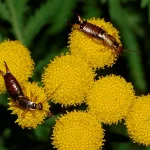
Earwigs (Pincher Bugs)
Shown: common earwigsLook for: Slender and reddish-brown, about ½ to 1 inch long, with a pair of pincers on the tail end.
Small brown bugs with pinchers in the bathroom, kitchen or garage — especially after heavy rain? Those are earwigs. Harmless to people and pets, but a nuisance indoors. Covered under Quarterly.
See the Earwigs guide →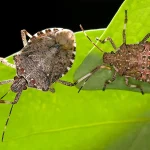
Stink Bugs
Shown: brown marmorated stink bug, adult and nymphLook for: Shield-shaped and mottled brown, clustering on siding in the fall.
Shield-shaped bugs clustering on sunny walls every fall, then turning up inside? Stink bugs don’t bite or sting, but they smell and tend to come back each year. A separate, one-time service, not part of Quarterly — call us to talk it through.
See the Stink Bugs guide →Seasonal Guide: Fall Pest Prevention
A simple week-by-week fall plan to seal up, declutter, defend the yard and check for rodents before winter.
See the fall checklist →Know What You’re Dealing With? Let’s Fix It.
Talk to a local, owner-led company, not a call center. Every visit follows the standards Rick set. Free consultations, honest recommendations, and local service you can count on. Request online and we’ll call you back from (803) 414-0588 as soon as possible during business hours.
(803) 414-0588Get a Free Consultation
Talk soon. Rick & Moab