
- Home
- Pest Library
- Ants
Pest Library
Ants in Lexington, SC
What’s actually in your yard or kitchen, why spraying the trail rarely finishes the job, and how Lamp’s treats it.
5.0 on Google · 360+ Reviews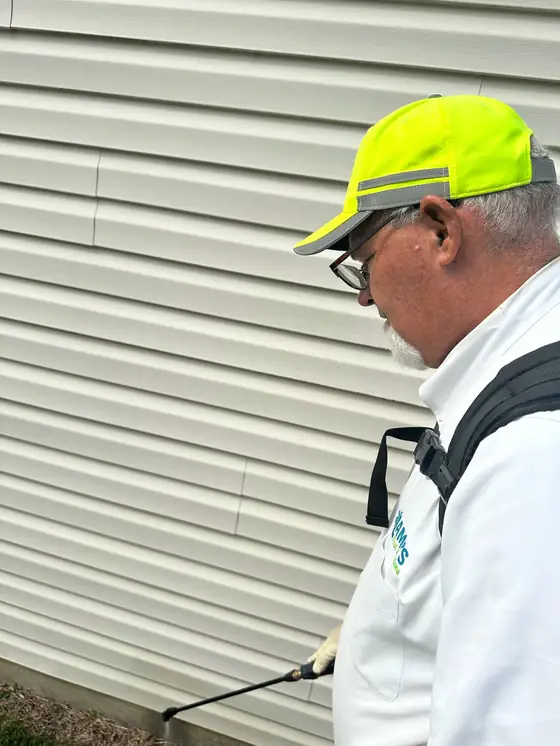
Seeing ants?
Talk to a local, owner-led company, not a call center. Every visit follows the standards Rick set.
Call Lamp’s: (803) 414-0588Identify: What Are You Looking At?
“Ants” isn’t really one problem — different species behave differently, and that changes how they’re treated. Fire ants are the easiest to spot: they build visible, loose-soil mounds in the yard, along driveway cracks, or near the foundation, and they sting aggressively if the mound is disturbed. Other common house-invading ants don’t build mounds at all — they nest hidden in wall voids or under slabs and only show themselves as a trail along a baseboard, counter, or foundation line.
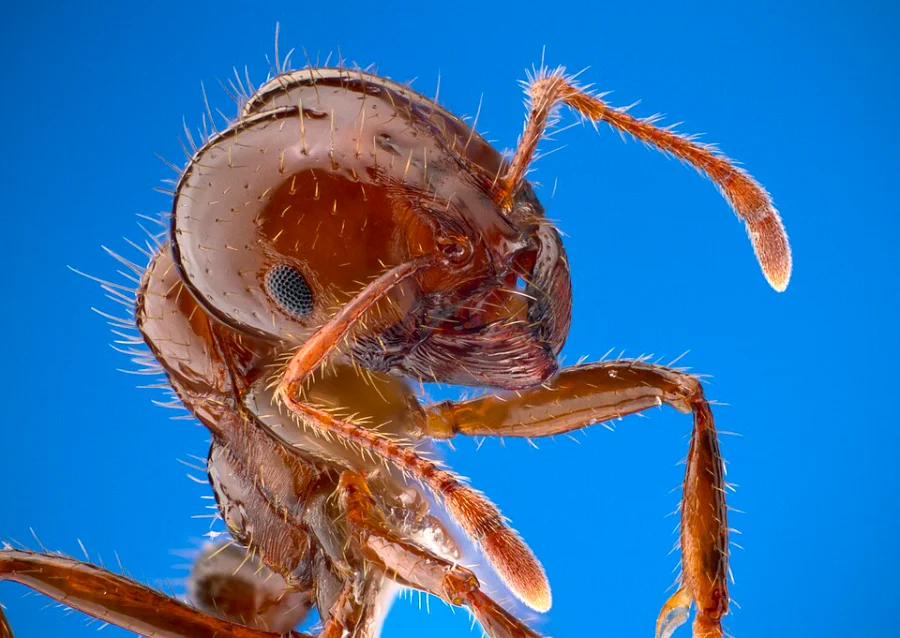
Common signs: visible ant trails along baseboards, counters, or foundation lines; small dirt or sand mounds in the yard or driveway cracks; ants reappearing in the same spots even after cleaning; and a noticeable jump in activity after rain, as colonies move to drier ground.
How Lamp’s handles it: Ant Control explains how we treat ants around Lexington, including fire ants, which are a separate service.
Understand: Why Spraying the Trail Doesn’t Fix It
Spraying the ants you can see only kills the foragers that are already out looking for food — it doesn’t touch the colony itself, which can be well-established and surprisingly deep-rooted, especially with fire ants. Knock back the visible trail without addressing the colony, and the activity is often back within days.
Correctly identifying which ant you have — and where it’s actually active — is what determines the right approach. A fire ant mound in the yard, an odorous house ant trail coming through a kitchen, and a colony nesting under a slab all call for different treatment, not the same generic spray.
Because ants are a recurring, weather-driven outdoor pest rather than a one-time indoor infestation, they’re one of the pests built into our Quarterly Pest Control plan — scheduled treatment that keeps activity down before it becomes a problem, rather than chasing it after the fact. Fire ant treatments are a separate service, quoted individually — they’re not included in Quarterly Pest Control and don’t include free re-service.
Seeing ants inside?
Talk to a local, owner-led company, not a call center. Every visit follows the standards Rick set. Consultations are free.
Act: Lamp’s Treatment Process
We start by identifying what’s actually active and where — that’s what determines the right product and placement, rather than just treating the trail you happened to see. From there, there are two ways to get started:
- Quarterly Pest Control — our most popular option for ongoing ant prevention: four scheduled exterior visits a year, with re-service between visits at no extra charge if household ants come back inside your home.
- One-time treatment — if it’s a specific ant problem right now and not an ongoing concern, we can treat it on its own through Home Pest Control, no recurring plan required.
We use EPA-registered products applied by a licensed pest control provider, and we’re happy to discuss any specific concerns about kids or pets before treatment. For an established or deep-rooted colony — the kind that keeps coming back no matter how many visible trails get sprayed — here’s what that actually looks like in the field:
Ant Questions We Hear
How can I tell if it’s fire ants?
Fire ants are the easiest to spot: they build visible, loose-soil mounds in the yard, along driveway cracks, or near the foundation, and they sting aggressively if the mound is disturbed. Other house-invading ants don’t build mounds — they show up as trails along baseboards, counters, or foundation lines.
Why do the ants come back after I spray them?
Spraying only kills the foragers you can see. The colony itself — often well-established and deep-rooted — keeps going, so activity is often back within days.
Why do I see more ants after it rains?
Activity often jumps after rain as colonies move to drier ground.
Seeing Ants Right Now?
Talk to a local, owner-led company, not a call center. Every visit follows the standards Rick set. Free consultations, honest recommendations, and local service you can count on. Request online and we’ll call you back from (803) 414-0588 as soon as possible during business hours.
(803) 414-0588Get a Free Consultation
Talk soon. Rick & Moab