
- Home
- Pest Library
- Occasional Invaders
Pest Library
Occasional Invaders in Lexington, SC
Silverfish in the bathroom, centipedes in the basement, millipedes and pill bugs in the garage after a rain. Here’s why these “occasional invaders” come inside, and how to keep them out.
5.0 on Google · 360+ Reviews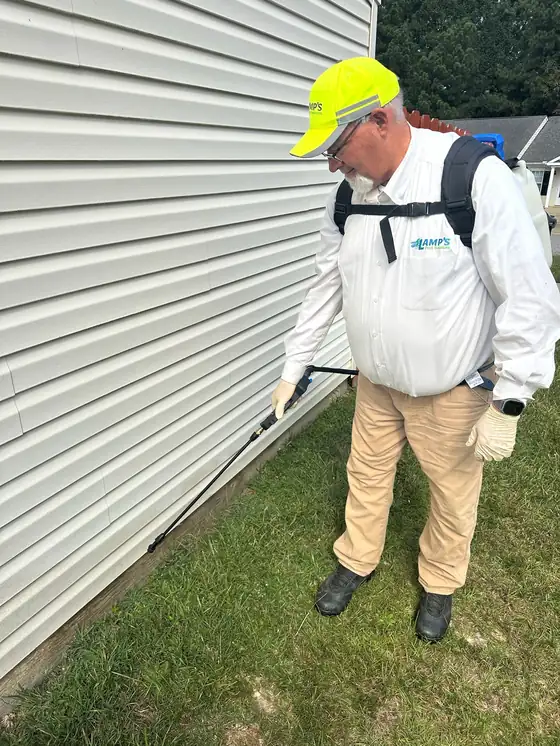
Bugs coming in from outside?
Talk to a local, owner-led company, not a call center. Every visit follows the standards Rick set.
Call Lamp’s: (803) 414-0588Identify: What Are You Looking At?
“Occasional invaders” are bugs that live outdoors in damp soil, mulch and leaf litter and only wander inside now and then. They don’t nest in your walls or eat your food the way roaches or ants do. Most die quickly in a dry house. Here are the five we get asked about most in the Midlands.
“Around Lexington, two of the occasional pests I run into most often are millipedes and crickets.”
— Rick Lamp
Seeing earwigs too? They’re covered under Quarterly as well. See our Earwigs guide.
Silverfish
Wingless, silvery-gray and shaped like a teardrop, about half an inch long, with three bristly “tails.” They move fast and like humid spots: bathrooms, laundry rooms, attics and boxes in storage. They nibble on starchy things like paper, glue and book bindings. They don’t bite.
Centipedes
Flattened, fast and leggy, with one pair of legs per body segment. The house centipede has very long legs and is the one most people find indoors. Centipedes eat other small bugs, so seeing them often means there’s moisture and other insects nearby. They rarely bite and are not a danger to most people.
Millipedes
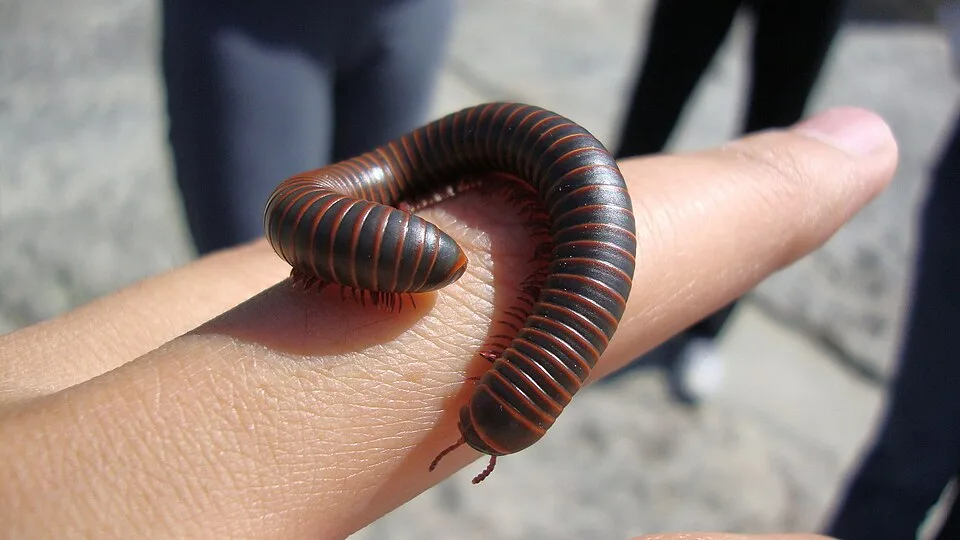
Rounded, slow-moving and dark, with two pairs of legs per segment. They often curl into a coil when disturbed. Millipedes eat decaying plant material and sometimes move in large numbers after heavy rain or a dry spell, ending up in garages and on patios. They don’t bite; some give off a fluid that can stain or irritate skin, so pick them up with a paper towel.
Crickets
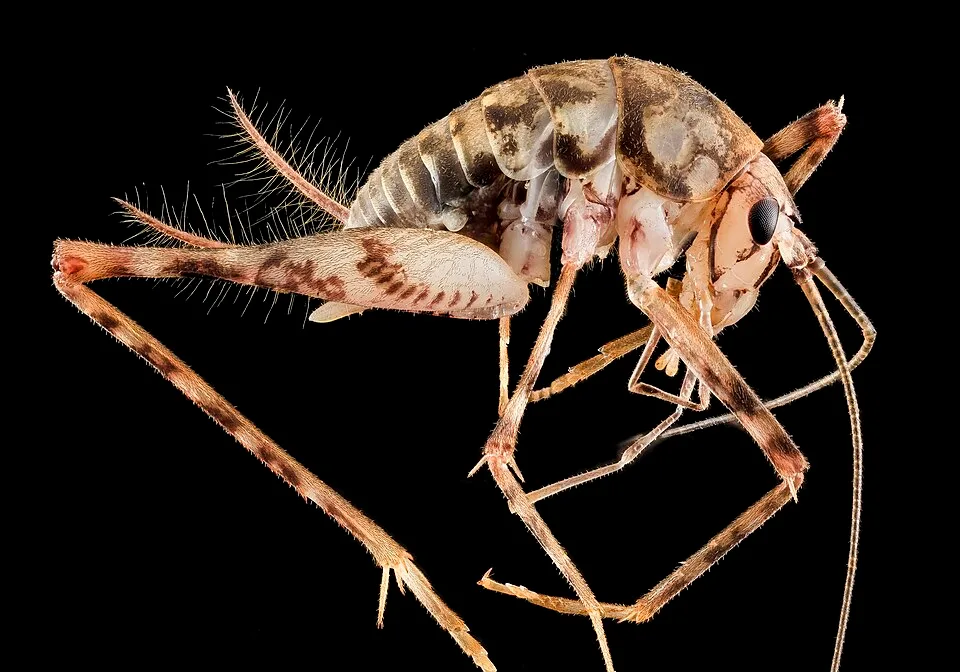
House and field crickets chirp and are drawn to lights at night. Camel crickets (often called “spider crickets”) are humpbacked, don’t chirp and jump when startled; they’re common in damp crawlspaces, basements and garages. Crickets don’t bite people, but they can chew fabric and paper.
Sow bugs and pill bugs
Small, gray and armored — they’re actually land-dwelling crustaceans, not insects, and need moisture to survive. Pill bugs (“roly-polies”) roll into a ball; sow bugs can’t. They eat decaying plant matter and usually die within a day or two indoors.
Understand: Why They Show Up Inside
All five have the same weakness: they need moisture. When it gets very wet, very dry, hot or cold outside, they go looking for better conditions, and the gap under a door or a damp crawlspace is the easiest place to find it.
- Thick mulch, pine straw or leaf litter against the foundation
- Damp or poorly ventilated crawlspaces and basements
- Worn door sweeps and gaps around garage doors
- Leaky faucets, drains or AC condensate lines
- Clogged gutters and downspouts that dump water by the house
- Bright outdoor lights near doors (crickets especially)
If you’re finding them in the same room again and again, there’s usually a moisture source close by.
Finding bugs like these inside?
Talk to a local, owner-led company, not a call center. Every visit follows the standards Rick set.
Act: Lamp’s Approach
Silverfish, centipedes, millipedes, crickets, and sow bugs and pill bugs are all covered under Lamp’s Quarterly Pest Control. We look for the damp hiding spots around your home, treat the perimeter and problem areas, and point out moisture issues worth fixing. If covered pests come back between visits, re-service is free.
A few things that make a real difference on your end:
- Reduce moisture: fix leaks, clean gutters and run a dehumidifier in damp rooms.
- Pull mulch back: keep mulch, pine straw and leaf litter a few inches from the foundation.
- Seal entry points: door sweeps, garage door seals, vents and foundation cracks.
- Switch outdoor bulbs: yellow “bug lights” attract fewer insects.
- Keep crawlspaces dry: good ventilation or a vapor barrier helps.
- Declutter storage: plastic bins instead of cardboard boxes in garages and attics.
Occasional Invader Questions We Hear
Are any of these dangerous?
Not usually. None of them nest in your home or spread disease the way roaches and rodents can. A house centipede can bite if handled, and some millipedes give off an irritating fluid, but that’s about it.
Why do I see so many after a big rain?
Heavy rain floods their hiding spots in mulch and soil, so they move — often toward your foundation, garage and doors.
Are stink bugs and carpenter bees included too?
No. Stink bug treatment is a separate, one-time service, and carpenter bees are handled under Stinging Insect Control. Neither is part of Quarterly.
Can I get rid of them myself?
Drying things out and sealing gaps goes a long way. If they keep showing up anyway, a Quarterly plan keeps the perimeter treated so fewer make it inside.
Dealing With Occasional Invaders?
Talk to a local, owner-led company, not a call center. Every visit follows the standards Rick set. Free consultations, honest recommendations, and local service you can count on. Request online and we’ll call you back from (803) 414-0588 as soon as possible during business hours.
(803) 414-0588Get a Free Consultation
Talk soon. Rick & Moab